
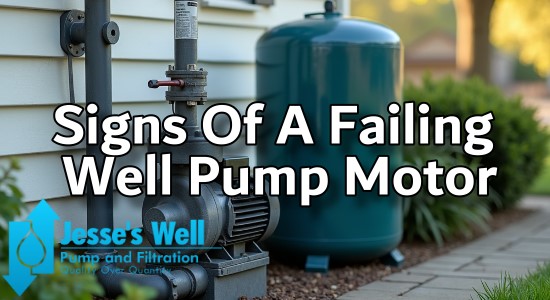
Is Your Well Pump Motor Going Bad
If your home runs on a well, the pump motor is one of those things you probably never think about until something feels off. The water pressure drops. The shower sputters. Or maybe the pump starts making noises that just do not sound right. I have seen plenty of homeowners ignore these signs because everything still sort of works. That is usually when trouble sneaks up on you.
The thing about a failing well pump motor is that it rarely quits without warning. Most of the time, it gives subtle clues long before it shuts down completely. You just have to know what to look for, and honestly, what to listen for too. Below are the most common and sometimes overlooked signs that a well pump motor is starting to fail.
Inconsistent Water Pressure That Comes and Goes
This is usually the first red flag. One minute the water pressure feels normal, the next it drops off like someone turned a valve halfway closed. Then it comes back again. That up and down behavior is often tied to a well pump motor that is struggling to keep up.
In my experience, homeowners tend to blame fixtures or plumbing at first. That makes sense, but when the pressure changes affect the entire house, not just one faucet, the motor deserves a closer look. A weakening motor cannot maintain steady output, especially during heavier water use.
The Pump Is Running Longer Than It Used To
Pay attention to how long your pump runs when water is being used. A healthy well pump motor cycles on and off at fairly predictable intervals. When the motor starts failing, it often runs longer than normal just to build pressure.
This is one of those signs that feels easy to ignore. The water still works, so what is the problem? The problem is wear. Longer run times put extra strain on the motor, accelerating failure. It is kind of a vicious cycle once it starts.
Unusual Noises From the Well Pump Area
Well pumps are not silent, but they should not be loud either. Grinding, clicking, a lingering hum, or a high-pitched whine can all point to well pump motor trouble. I have even heard motors that sound fine at first, then suddenly change tone mid-cycle.
That change in sound is important. It usually means internal components are wearing unevenly. Bearings, windings, or electrical parts can all create noise as they start to go bad. If the sound is new, trust your instincts. New noises almost always mean new problems.
Tripped Breakers or Electrical Issues
A failing well pump motor often draws more electricity than it should. When that happens, breakers may trip more frequently. Sometimes the breaker does not trip, which makes this harder to diagnose.
If you find yourself resetting the same breaker more than once, especially when water is being used, that is not a coincidence. Motors on their last legs tend to overwork themselves. Eventually, they either trip the breaker constantly or stop starting altogether.
Low Water Pressure During High Demand
This one shows up during laundry days, long showers, or when multiple fixtures are running at once. A strong pump motor handles demand without much drama. A failing one struggles.
You might notice pressure dropping when a washing machine fills or when someone flushes a toilet while you're showering. That pressure loss can indicate a motor that no longer has the power it once had. It is subtle at first, then it gets worse.
Air Spitting From Faucets
If air starts sputtering out of your faucets along with water, it can be unsettling. While this can be caused by plumbing issues, it is also sometimes linked to a failing well pump motor.
When a motor cannot maintain consistent pressure, it may pull air into the system. That air ends up in your water lines. It is not something to brush off, especially if it happens often or across multiple fixtures.
Higher Electric Bills With No Clear Explanation
This one sneaks up on people. A struggling well pump motor works harder and runs longer, which uses more electricity. If your power bill climbs and nothing else has changed, the pump may be to blame.
I have seen motors run nearly nonstop trying to maintain pressure. Homeowners usually notice the bill before they notice the pump behavior. That is why it helps to look at the whole picture.
Water Pressure Drops Before the Pump Shuts Off
Normally, water pressure stays steady until the pump shuts off. With a failing motor, pressure may fade near the end of the cycle. Faucets slow down, then the pump finally clicks off.
This often means the motor is losing torque. It simply cannot maintain performance through the full cycle anymore. That is usually a late-stage warning sign.
Frequent Short Cycling
Short cycling is when the pump turns on and off rapidly. This can be caused by pressure tank issues, but it can also happen when a motor is no longer functioning smoothly.
Rapid cycling creates extra wear on the motor and electrical components. If this is happening regularly, it should be checked sooner rather than later by a professional well water service technician.
When to Call a Professional
If you are noticing more than one of these symptoms, it is probably time to bring in a professional. Well pump motors do not heal themselves. Waiting often leads to full failure, and that usually happens at the worst possible time.
A trained technician can test the motor, electrical draw, pressure output, and overall system health. Sometimes a repair is possible. Other times, replacement is the smarter long-term move. For dependable help, schedule well pump service in South Carolina before the problem gets worse.
Final Thoughts From the Field
I have always thought well pumps deserve more respect than they get. They work quietly, day after day, until they do not. Knowing the warning signs of a failing well pump motor can save you from sudden water loss, expensive emergency repairs, and a whole lot of stress.
If something feels off with your water system, trust that instinct. Catching a failing motor early almost always leads to better options and fewer surprises. For inspection, repair, or replacement, contact an experienced well pump repair company.