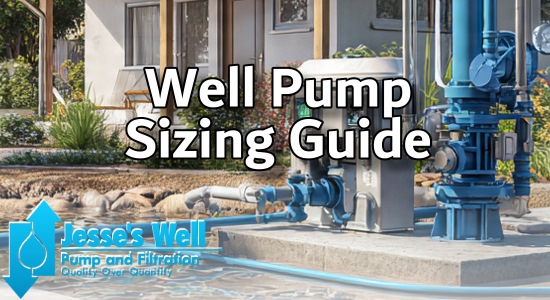
Well Pump Sizing Guide for Household Water Needs
Sizing a Well Pump for Your Home Water Demand
Choosing the correct well pump for your household water system is critical for a reliable water supply and long-term efficiency. A pump that is too small will struggle to meet your water needs, while an oversized pump can waste energy and shorten its lifespan. This guide will walk you through the steps to properly size a well pump for your home.
Understanding Your Household Water Needs
Before selecting a well pump, you need to understand how much water your household consumes. Consider the following factors:
- Number of people in your home
- Daily water usage patterns
- High-demand appliances such as dishwashers, washing machines, and showers
- Outdoor water needs like irrigation or garden hoses
Collecting this information allows you to estimate your peak water demand and choose a pump that can handle it without strain.
Calculating Peak Flow Rate
The peak flow rate is the maximum amount of water your household might use at one time. This is usually measured in gallons per minute (GPM). To calculate your peak flow rate:
- Add up the flow rates of all fixtures likely to be used simultaneously.
- Consider times of high usage such as mornings and evenings.
- Include any outdoor water needs during peak periods.
Knowing your peak flow rate ensures your pump will supply enough water even during the busiest times.
Determining Total Dynamic Head
Total Dynamic Head (TDH) is a measure of the total pressure your pump must overcome to deliver water. It includes:
- Vertical lift from the water level to your home
- Friction loss in pipes and fittings
- Pressure required for household appliances
Calculate TDH accurately to avoid pumps that cannot meet your household pressure needs.
Choosing Between Submersible and Jet Pumps
There are two main types of well pumps commonly used in homes:
- Submersible Pumps: Installed inside the well and ideal for deep wells. Efficient and quiet.
- Jet Pumps: Installed above ground and better suited for shallow wells. Easy to maintain but can be less efficient for deep water levels.
Selecting the correct pump type based on your well depth and household demand is essential for long-term performance.
Matching Pump Capacity to Your Needs
After determining flow rate and TDH, select a pump with a performance curve that meets your requirements. Consider:
- Flow rate at your calculated TDH
- Pump efficiency and energy consumption
- Durability and maintenance needs
Using a pump that matches your exact needs saves energy and prevents wear and tear over time.
Additional Tips for Well Pump Selection
- Install a pressure tank to reduce pump cycling and extend lifespan
- Regularly check and maintain your well and pump for efficiency
- Consult a professional for complex or large household systems
These steps ensure your water system operates smoothly and reliably year-round.
Common Sizing Mistakes to Avoid
- Choosing a pump based only on well depth without considering household demand
- Ignoring friction losses in long pipe runs
- Oversizing pumps, which increases energy costs and stress on the system
- Neglecting future household water needs
Avoiding these mistakes will prevent costly repairs and inefficiencies.
Conclusion
Properly sizing a well pump requires careful consideration of household water needs, flow rate, total dynamic head, and pump type. By following these guidelines, you ensure consistent water supply, energy efficiency, and long-term reliability. When in doubt, consult a well pump professional for an assessment tailored to your home.
Call to Action: Ready to size your well pump correctly? Contact Jesses Well Pump Repair today for expert guidance and installation.