Environmental Benefits of Well Pump Systems
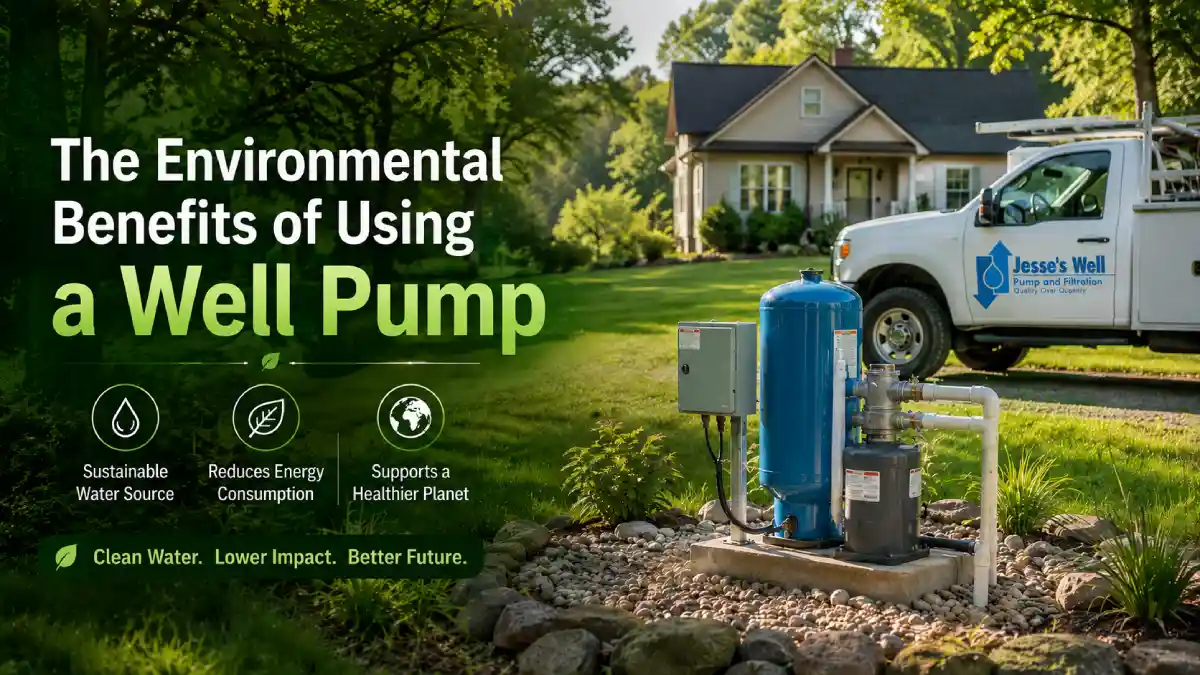
The Environmental Benefits of Using a Well Pump
When people think about a well pump, they usually think about water pressure, household plumbing, or maybe the cost of getting water to the house. Fair enough. Those things matter. But there is another side to it that does not always get talked about enough, and that is the environmental benefit of using a well pump as part of a private water system.
For homeowners who have access to a reliable well, a properly installed and maintained well pump can be a smart way to use a local water source without depending entirely on a larger municipal system. That does not mean every property is automatically a perfect fit for a well. Soil conditions, water table depth, local codes, and water quality all matter. Still, when the setup is right, the environmental benefits of using a well pump can be pretty meaningful.
A well pump draws groundwater from beneath the property and delivers it directly to the home. That simple idea can reduce some of the energy, treatment, and infrastructure demands tied to moving water through long public water systems. It also gives homeowners a more direct connection to how much water they use, which, honestly, can make people a little more aware of waste.
Using a Local Water Source
One of the biggest environmental benefits of using a well pump is that the water comes from a local groundwater source. Instead of water being collected, treated, pumped, stored, and moved through miles of public infrastructure, a private well system pulls water from the ground near the home.
That shorter path can make a difference. Municipal water systems are necessary and important, especially in cities and developed areas, but they often require large treatment facilities, major pumping stations, and a wide network of underground pipes. All of that takes energy and materials to operate and maintain.
With a private well pump, the water delivery process is much more direct. The pump moves water from the well to the pressure tank, then into the home. There is still energy involved, of course, but the system is usually much smaller and more localized.
For homes in rural areas, farms, and properties outside city water service, this can be a practical way to access water without extending public water lines or relying on hauled water. In that sense, a well pump can support a more self contained water setup.
Reducing Dependence on Large Water Infrastructure
Another environmental benefit of using a well pump is reduced dependence on large scale water infrastructure. Public water systems require pipe networks, chemicals, treatment equipment, pumps, storage tanks, and ongoing repairs. Those systems serve a huge purpose, but they also come with a large resource footprint.
A private well system is much smaller. It still needs proper installation, safe electrical work, routine testing, and maintenance, but it does not require the same kind of broad distribution network. For the right property, a well pump can reduce the need for expanded municipal water lines and the environmental disruption that can come with that kind of construction.
This is especially important in less developed areas where bringing in public water would mean trenching, pipe installation, easements, and other work across long distances. A well pump may allow a homeowner to use an existing groundwater source with less disturbance to the surrounding land.
That does not mean a private well has no impact. It does. Any water system needs to be managed responsibly. But compared to extending a public water system into every rural property, a private well pump can sometimes be the lighter option.
Encouraging Better Water Awareness
People on private wells often pay closer attention to their water use. That is not always because they are trying to be environmental heroes. Sometimes it is just common sense. When your water comes from your own well, you tend to notice things like pressure changes, pump cycling, dry spells, irrigation habits, and leaks.
That awareness can lead to better conservation. A homeowner with a well pump may be quicker to fix a leaking toilet, adjust sprinkler use, or avoid letting outdoor faucets run too long. Little things add up over time.
Common conservation habits that work well with a private well system include:
- Repairing leaks as soon as they are noticed
- Using efficient fixtures inside the home
- Watering lawns early in the morning instead of during hotter parts of the day
- Avoiding unnecessary irrigation during rainy periods
- Keeping the well cap and surrounding area protected from contamination
- Scheduling well pump service before small problems become bigger issues
The environmental benefits of using a well pump are strongest when the system is paired with responsible habits. A well pump is not a license to waste water. Actually, it is kind of the opposite. Since the homeowner is relying on a groundwater source, smart use matters.
Less Chemical Treatment in Many Cases
Public water systems often use treatment chemicals to make water safe as it travels through a large distribution network. That treatment is important for public safety, but some homeowners prefer the idea of using groundwater that is treated only as needed for their specific home.
Private well water should always be tested. That part is not optional if you care about safety. Depending on the results, a home may need filtration, softening, sediment control, iron treatment, or other water treatment equipment. But the treatment is typically targeted to the actual water quality on that property.
This can be an environmental advantage when the water is naturally clean and only needs minimal treatment. Instead of being part of a large system that treats water for thousands of users, the homeowner can use a smaller, more specific setup.
Again, this depends on the well. Some wells need more treatment than others. Groundwater can contain minerals, sediment, sulfur odors, bacteria, or other issues. A good water test tells the truth. But when a private well is properly tested and maintained, it can offer a practical balance between safe water and lower treatment demand.
Supporting Groundwater Recharge When Used Responsibly
Groundwater is part of a natural cycle. Rainfall soaks into the soil, moves through layers of earth and rock, and helps recharge underground water sources. A private well uses that groundwater, so responsible use is important.
The environmental benefits of using a well pump depend heavily on not overusing the source. A properly sized well pump matters here. If a pump is too powerful for the well, poorly installed, or constantly running because of leaks or irrigation demand, it can put unnecessary stress on the system.
That is why professional well pump installation and service matters. The pump should match the well depth, water yield, home demand, pressure needs, and plumbing setup. When the system is balanced, it can provide steady water without overworking the pump or drawing water too aggressively.
Responsible well ownership also means protecting the area around the well. Fertilizers, pesticides, fuel, animal waste, and other contaminants should be kept away from the wellhead. A private well is only as good as the care around it.
Energy Efficiency With the Right Pump Setup
A well pump uses electricity, so energy efficiency is part of the conversation. Older pumps, poorly sized pumps, failing pressure tanks, and plumbing leaks can make a system run more often than it should. That wastes energy and can shorten the life of the pump.
A properly selected well pump can help keep energy use under control. The goal is not just to move water. The goal is to move the right amount of water at the right pressure without constant cycling.
Several things can improve well pump efficiency:
- Choosing the right pump size for the well and household demand
- Keeping the pressure tank in good working condition
- Repairing leaks that cause the pump to cycle too often
- Replacing worn components before they strain the system
- Having the pump checked if water pressure changes suddenly
Sometimes people ignore a well pump until there is no water at the tap. I get it, most folks do not think about the pump when everything is working. But from an environmental and practical standpoint, routine maintenance helps. A pump that runs efficiently uses less electricity and usually lasts longer.
Lower Water Loss Compared to Some Distribution Systems
Large water systems can lose water through aging pipes, leaks, main breaks, and pressure issues. Those losses vary from place to place, but water loss is a real problem in many distribution networks.
A private well system has fewer points between the source and the faucet. There is the well, pump, pressure tank, plumbing, and fixtures. That smaller system can make leaks easier to notice and repair, especially when a homeowner sees pump cycling or pressure changes.
This is another reason the environmental benefits of using a well pump are tied to maintenance. If the system is neglected, leaks can still waste a lot of water. But when the system is watched and serviced, the shorter delivery route can be a benefit.
A Practical Option for Rural Properties
For many rural homes, a well pump is not just an environmental choice. It is the practical choice. Public water may not be available, or it may be too expensive to connect. A private well lets the property use water already available underground, assuming the well is properly drilled, tested, and maintained.
This can help reduce the need for water hauling, long utility extensions, and additional infrastructure. It also allows homes, farms, and small properties to operate with a more independent water supply.
That independence comes with responsibility. Homeowners need to test the water, maintain the pump, protect the wellhead, and pay attention to changes in pressure, taste, odor, or clarity. A well is not something to forget about for twenty years and hope for the best. Well, you can try that, but it usually catches up eventually.
Why Professional Well Pump Service Matters
The environmental benefits of using a well pump are easier to protect when the system is installed and serviced correctly. A poorly matched pump can waste energy. A failing pressure tank can make the pump cycle constantly. A damaged well cap can allow contamination. A small leak can turn into a steady drain on the system.
Professional well pump repair helps catch those problems early. It also helps make sure the pump, pressure switch, tank, wiring, and plumbing are working together the way they should.
Homeowners should consider service when they notice:
- Low or uneven water pressure
- The pump turning on and off too often
- Air sputtering from faucets
- Cloudy, sandy, or discolored water
- Higher electric bills without an obvious reason
- No water or slow water recovery
Small issues in a well pump system can waste water and energy before they become obvious emergencies. That is why maintenance is not just about convenience. It is part of keeping the system efficient and safer for the property.
A Greener Water Source Starts With Good Habits
The environmental benefits of using a well pump are real, but they are not automatic. A well pump works best as part of a responsible water plan. That means using water wisely, testing the well water, keeping contaminants away from the well, and maintaining the pump system before it fails.
For the right home, a private well pump can reduce reliance on larger infrastructure, use a local groundwater source, lower unnecessary water loss, and encourage better water habits. It can also give homeowners more control over their water source, which is something many people appreciate once they have it.
If your home already uses a well, or if you are looking at a property with a private well system, it is worth taking the time to understand how the pump is working. A healthy well pump is not just good for water pressure. It can also support a more efficient and thoughtful way to use one of the most important resources on your property.
Jessie's Well Pump can help homeowners better understand their well pump system, troubleshoot water pressure problems, and keep their private water source working as efficiently as possible. When the system is cared for, the environmental benefits of using a well pump become a lot easier to maintain year after year.