
Why Water Pressure Drops When Multiple Faucets Run on a Well
Why Pressure Falls When Several Faucets Run
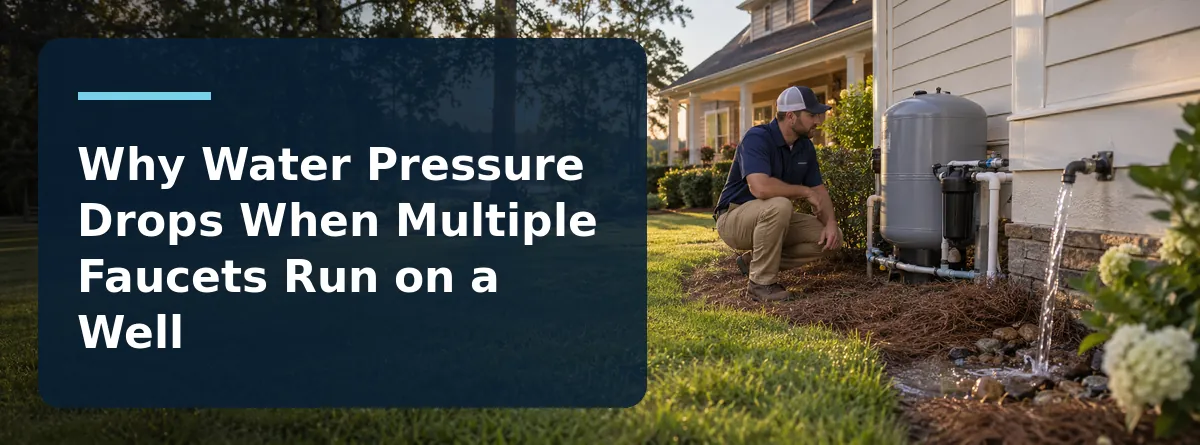
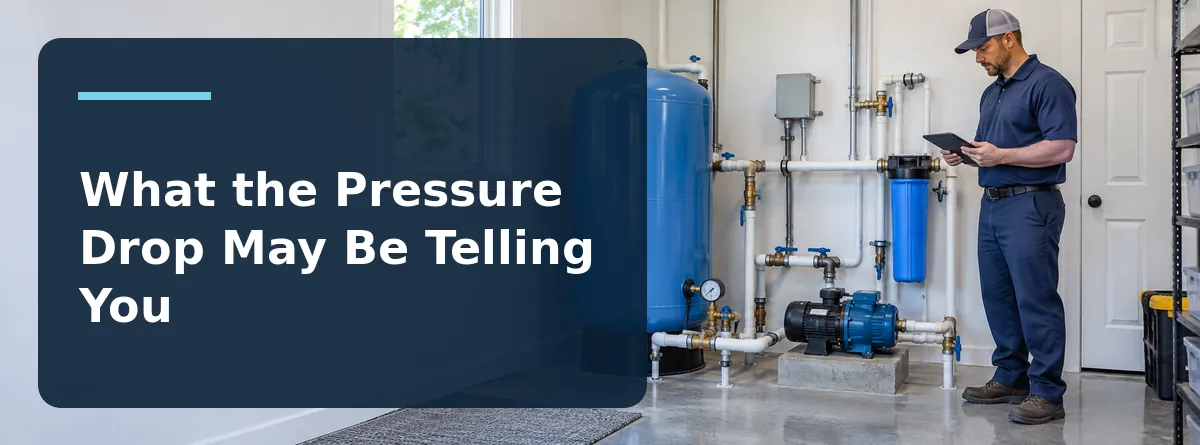
If the water pressure falls as soon as another tap is opened, it could be that the well system is at its maximum flow rate. A private well doesn't have an unlimited amount of water stored at the end of each pipe. In order for water to be delivered to the house, the pump, the pressure tank, the controls, the filters, the piping, and the well all have to function together.
A small and simple change in pressure occurs when demand goes up. If there is a sudden drop, the flow becomes weak all over the house, the water sputters, or the pressure continues to get worse, then action should be taken. Although this pattern does not itself indicate a specific faulty component, it can assist a professional in deciding where to start.
What the Pressure Drop May Be Telling You
A small dip may be a capacity issue
All water supply systems have a practical flow rate; if two showers, a washing machine, an outside tap, or several sinks are operating simultaneously, the demand could temporarily go beyond the rate at which the pump and well can restore the pressure. As a result, the pressure may drop until the amount of water being used decreases or the system brings up to speed.
It doesn't necessarily mean the pump needs to be replaced, since the right decision depends on the pump's age and type, the pressure settings, the tank, the piping, the well's condition, and the amount of water the property needs.
A sudden or severe drop deserves closer attention
If the pressure drops a great deal more than it used to, doesn't return to normal, or affects all the outlets, the trouble could be due to a blocked filter, restricted pipes, a failing pump, a problem with the pressure tank, a control issue, a leak, or a change in the amount of water available from the well. These possibilities can look similar from inside the house.
Why the timing of the drop matters
The timing may offer some helpful indications: if the pressure drop occurs only when the irrigation system is in operation, this could be a sign of a demand or flow-capacity issue, but if the problem shows up during normal indoor use, then the pump, pressure tank, filter, or the main pipes should be examined more closely. A situation where pressure pulsates, drops, and then recovers repeatedly differs from a situation where pressure steadily decreases over several weeks.
Remember that the outlet furthest from the tank may be the first to show the change. Even if another fixture nearer the supply appears satisfactory, pipe-run length, elevation changes, and the presence of filters and valves can all affect the flow that reaches a shower or faucet.
Common Reasons Pressure Drops During Simultaneous Use
- The pump cannot meet demand: If the pump is worn or underperforming, it will struggle when more than one outlet needs water at the same time.
- The pressure tank may not be functioning properly: A problem with the tank can affect how the system stores and delivers pressurized water.
- A filter or pipe may restrict flow: Sediment, mineral deposits, or a valve that is only partly open can reduce the amount of water reaching the outlets.
- The pressure controls need diagnosis: The pump may not start, stop, or maintain pressure correctly if the controls are faulty.
- The water supply or the system's demand has changed: Changes in seasonal conditions, irrigation, additions to the house, or greater use by the household can result in a capacity problem.
Since more than one cause may result in the same symptom, it is advisable to carry out a diagnosis of the entire system rather than replacing a component based on the pressure reading at a single faucet. Jesse's well pump repair services will be able to find out if the problem relates to the pump, the pressure equipment, the piping, or some other part of the system.
Safe Observations Homeowners Can Make
Before you ask for help, observe what happens and when it happens. Does the pressure problem affect the whole house or just one tap? Does it occur when someone starts a shower, flushes the toilet, runs the washing machine, or switches on the irrigation system? Does the pressure return once you stop using water? These details can help speed up the diagnosis.
- Check more than one fixture to see whether the problem is local or occurs throughout the house.
- Check whether the pump seems to be cycling more frequently, running for an unusual length of time, or making a new sound.
- Make sure a circuit breaker has tripped, but do not open energized controls, pressure switches, control boxes, or pump wiring.
- Record any recent work on the pump, tank, filtration equipment, plumbing, or electrical system.

When to Schedule Well System Service
If you encounter a drop in pressure that is new, serious, worsening, or is accompanied by no water, frequent pump cycling, odd noises, air sputtering, or changes in the appearance of the water, you should get in touch with a specialist in well pumps. A pressure issue that only occurs when demand is high may still indicate that the system is operating close to its limit.
The aim is to determine the cause before deciding if the most appropriate course of action is a repair, an adjustment, a maintenance visit, a change of equipment, or a further inspection of the well and water supply. Jesse's Well Pump & Filtration, which serves homes in Gaston, Columbia, Lexington and other nearby communities in South Carolina, offers well water services and can assist homeowners in understanding how the system is operating.
If you're not sure whether the problem lies with the pump, the pressure tank, the controls, or the well itself, you should use the contact page to describe the symptoms and get a professional assessment. Avoid opening any electrical or pressurized parts, since proper diagnosis requires the right tools and safe procedures.
Frequently Asked Questions
Is it normal for well water pressure to drop when several faucets run?
A small temporary change can occur when household demand rises, but a sharp, new, or worsening drop should be evaluated because it may involve the pump, pressure tank, piping, controls, or available well supply.
Does low pressure during multiple-fixture use mean the well pump needs replacement?
Not necessarily. The same symptom can come from restricted flow, a pressure-tank problem, control trouble, piping issues, changing demand, or the pump itself. The complete system should be diagnosed before replacement is chosen.
Why does the pressure problem affect the whole house instead of one faucet?
A whole-house pattern usually points farther upstream than a single clogged aerator or fixture. Possible areas include the well pump, pressure equipment, filtration, main piping, controls, or water supply.
What can I safely check before calling a well pump company?
You can compare several fixtures, note when the pressure changes, and see whether a breaker has obviously tripped. Do not open energized controls, pressure switches, control boxes, or pump wiring.
When should I schedule professional service?
Arrange an evaluation if pressure is severely reduced, continues after water use stops, keeps getting worse, or appears with no water, repeated cycling, unusual pump sounds, air sputtering, or changes in water appearance.